The Band Organ
Long before recorded music, band organs provided a full, orchestral sound—complete with drums, cymbals, and whistles, designed to capture attention and draw crowds.
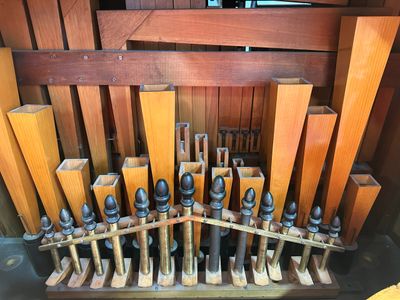
Powered by hand cranks or early electric motors, these remarkable instruments used perforated paper rolls or books to control a complex system of pipes and percussion, allowing a single machine to mimic an entire band. Their music could carry across fairgrounds and amusement parks, creating an atmosphere that was impossible to ignore. Bright marches, waltzes, and popular tunes filled the air, signaling excitement, movement, and celebration, and inviting visitors from a distance to follow the sound to the carousel.
1922 Rudolph Wurlitzer Band Organ
The 1922 Jubilee band organ by Rudolph Wurlitzer Company is a stunning example of early 20th-century craftsmanship and innovation in mechanical music. Built in North Tonawanda, New York, this beautifully decorated organ was designed to deliver a rich, full sound that could accompany carousels and captivate crowds from afar. Its ornate façade, hand-painted scenic panels, and finely detailed carvings reflect the artistry of the era, while inside, a complex system of pipes, bellows, and percussion brings music to life through perforated rolls. Instruments like the Jubilee not only provided entertainment but also became iconic centerpieces of amusement rides, creating the joyful soundtrack that defined the golden age of the carousel.
